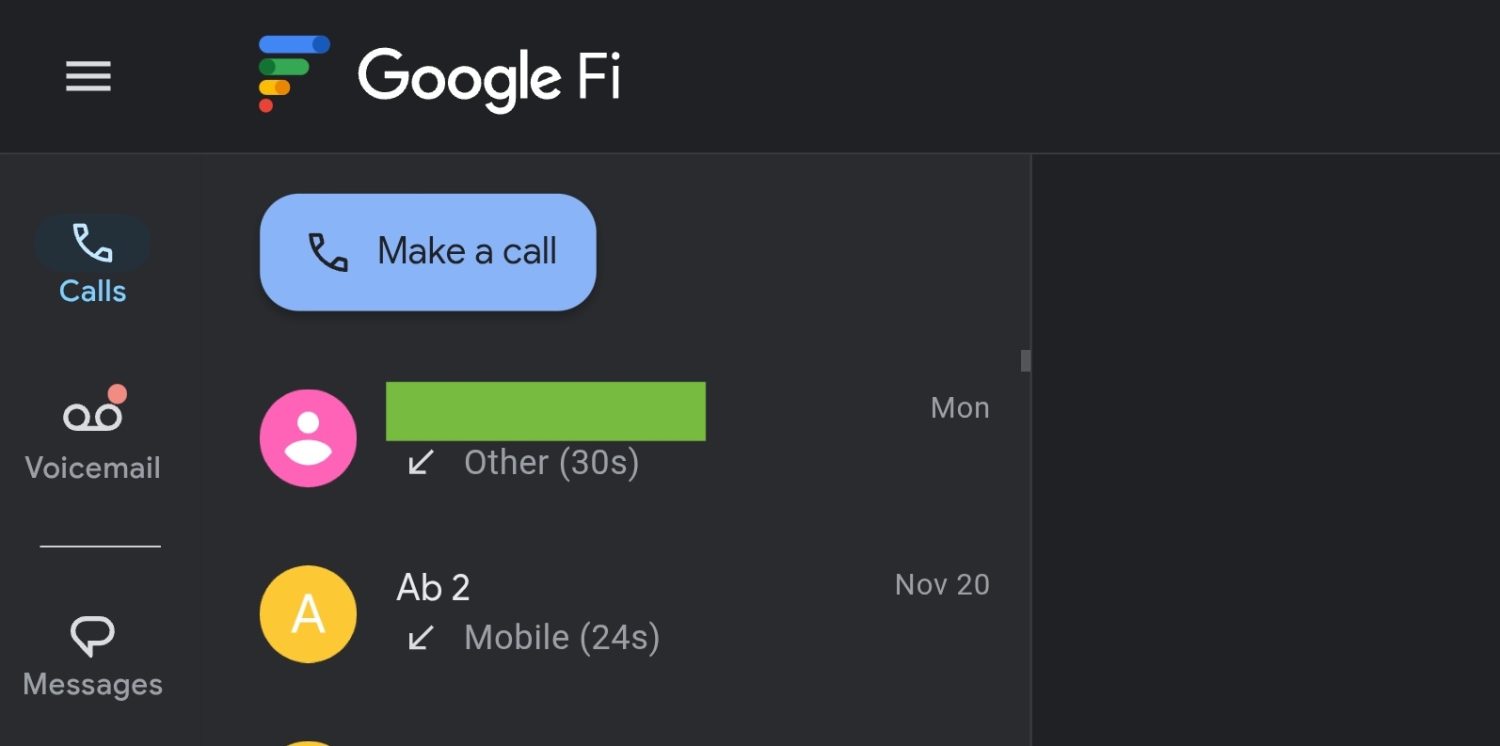
Google Fi is rolling out significant upgrades, introducing browser-based Web Calls and expanding end-to-end encrypted RCS messaging to all Android users. These features aim to enhance cross-device communication and bolster Google's ecosystem play, offering unprecedented flexibility and a richer messaging experience for subscribers.
Introduction (The Lede)
Google Fi, the MVNO (Mobile Virtual Network Operator) known for its flexible plans and international roaming, has just announced a major upgrade to its service offerings: browser-based Web Calls and a comprehensive rollout of end-to-end encrypted Rich Communication Services (RCS) messaging for all Android users. These enhancements represent a substantial step forward in cross-device functionality and secure communication, promising a more integrated and flexible experience for its customer base, allowing users to stay connected seamlessly across devices, even when their primary phone is out of reach.
The Core Details
The new Web Calls feature allows Google Fi subscribers to make and receive calls directly from their web browser by visiting fi.google.com/calls. This functionality is device-agnostic, meaning calls can be managed from a laptop, tablet, or any computer, regardless of whether the user's primary Google Fi phone is powered on or connected to a network. It effectively extends the user's Google Fi number beyond their handset, offering a new layer of convenience and redundancy for voice communications. Users simply log in with their Google account associated with Fi, and their calls become accessible. This builds upon Google Fi's existing Wi-Fi calling capabilities, making it even more versatile.
- Web Calls: Make/receive calls from any browser at fi.google.com/calls.
- Device Independence: Works even if your phone is off, lost, or out of service.
- RCS Messaging: Rolling out to all Android Google Fi users via Google Messages.
- Enhanced Messaging: Supports high-resolution photos/videos, read receipts, typing indicators.
- Security: End-to-end encryption for one-on-one RCS chats, ensuring privacy.
Concurrently, Google Fi is expanding its RCS messaging capabilities, delivering a richer, more secure messaging experience. All Android users on Google Fi will now gain access to advanced RCS features through the Google Messages app, including high-resolution photo and video sharing, read receipts, and typing indicators. Crucially, these one-on-one RCS conversations will be end-to-end encrypted by default, aligning with Google's broader push for secure messaging standards across the Android ecosystem. This makes Fi a strong contender for those prioritizing secure and feature-rich communication.
Context & Market Position
Google Fi has historically positioned itself as a unique mobile service provider, differentiating through flexible pricing plans, strong international roaming benefits, and integration with Google's software ecosystem. These new features solidify that position, especially in comparison to traditional carriers. Most major carriers offer some form of Wi-Fi calling, and some have proprietary web-based calling or messaging apps, but Google Fi's new Web Calls offer a streamlined, browser-native experience that is less tethered to a specific app or device. This provides a significant competitive edge in terms of user convenience and flexibility.
The rollout of end-to-end encrypted RCS messaging is also a critical move in the broader smartphone market. For years, Android users have clamored for a messaging experience comparable to Apple's iMessage, which offers rich media, group chat features, and strong encryption. RCS, spearheaded by Google, is the answer. By ensuring all Android Fi users have access to these enhanced, encrypted features through Google Messages, Fi is not only improving its own service but also contributing to the standardization and adoption of a more modern, secure messaging protocol across the Android world. This directly challenges the perception that Android messaging is inferior, providing a unified and private experience that other MVNOs and even some major carriers are still catching up on fully deploying with E2EE.
Why It Matters (The Analysis)
These updates matter significantly for Google Fi subscribers and the wider mobile industry. For consumers, the Web Calls feature introduces unprecedented flexibility. Imagine leaving your phone at home or having its battery die – you can still make and receive calls from any computer with an internet connection, directly through your Google Fi number. This enhances connectivity, offers a robust backup communication method, and truly separates your phone number from a single physical device. It's a huge convenience factor for remote workers, travelers, or anyone who frequently juggles multiple devices.
The widespread rollout of end-to-end encrypted RCS is arguably even more impactful. It elevates the standard messaging experience for Android users on Fi, bringing it closer to the feature set and security of platforms like iMessage and WhatsApp. The E2EE by default for one-on-one chats is a critical privacy win, ensuring that conversations remain private between sender and recipient. This move strengthens Google's long-term strategy to establish RCS as the universal, modern messaging standard for Android, improving user satisfaction and potentially attracting users who have previously felt constrained by the limitations of traditional SMS/MMS. It positions Google Fi as a cutting-edge carrier, integrating tightly with Google's software innovations.
“Our goal with Google Fi has always been to simplify the mobile experience and provide seamless connectivity, no matter where our users are or what device they're using. These new features are a testament to that commitment, offering unparalleled flexibility for calls and the secure, rich messaging experience our customers deserve.”
— Google Fi Official Statement
What's Next
The introduction of Web Calls and enhanced RCS messaging positions Google Fi as a more compelling option in the competitive MVNO market. We can expect Google to continue integrating Fi more deeply into its broader ecosystem, potentially exploring further cross-device capabilities or even deeper ties with Google Workspace and other services. This move also puts pressure on other carriers to accelerate their own RCS deployments with end-to-end encryption, driving the industry towards a more modern and secure standard for mobile communication. It’s a clear signal of Google’s long-term vision for ubiquitous, secure communication.